
Introduction:
At the very core of his being, our God is a relational God. Every fiber of God’s nature is biased toward relationship. We see that in the mystery of the Trinity—one God in three Persons, woven in a profound interrelationship of love, one with the other.

We also see this relational nature of our God in his act of creation. We human beings in particular are made, are in our very nature designed, for relationship with God. The heart of the full and complete human life is being in an intimate love relationship with God. (see John 10:10)
Yet, for reasons that are in the end beyond rational explanation, we human beings ruptured and ruined that intimate relationship with God in our embrace of sin and evil. That human turn toward evil was an adulterous rebellion and rejection of relationship with God.
Now, a resentful, petulant God might well at that point have simply washed his hands of us. But ours is not that sort of God. It is not too much to say that everything in the Bible from Genesis 3:21 through Revelation 22:21 is the story of God’s relentless mission of restoring our love relationship with him and all that it was meant to be. Forgiveness of sins, which we read about in the Apostles’ Creed, is all about this relationship restoration mission of God through Jesus Christ.
Silent Reflection:
Read through Psalm 103:8-13 several times. Open yourself to the voice of God’s Spirit. Allow him to highlight and apply the message of these verses to your life.
Prayer of Confession:
Lord, I confess that I don’t know how to deal with my sin. Sometimes, I scarcely give it a thought. Other times, it oppresses me and almost leads me to despair. As I reflect on the truth of your forgiveness, help me both to take my sin seriously and to rest joyfully in your forgiveness. Amen.
Devotional:
In the Christian life, it is always a temptation for us to project our own thoughts and feelings onto God. It’s never good or helpful when we do that. We are not God, and God is not us. (Isaiah 55:9) Thank God! But it is especially tempting and especially damaging to us when we project onto God our own feelings about and experiences with forgiving those who have hurt or offended us.
Forgiving people who have treated us badly can often be very hard for us. In some especially hurtful or damaging situations, it can feel almost impossible for us. Sometimes, the best we can manage is a sort of grudging, on-and-off forgiveness toward someone who has hurt us deeply.
It can often be tempting for us to project that grudging, wavering attitude onto God when we think about his forgiveness of our sins. When we do that, we create a false God. Psalm 103, which we reflected on above, is one of the Bible passages where we are shown the depth of God’s commitment to his relationship restoration mission. David, the author of that psalm, describes God’s character there like this, “The Lord is merciful and gracious, slow to anger, and abounding in steadfast love.” (v. 8). David knew God intimately. David was also one of the great sinners of the Bible. So, when he speaks of God’s mercy and forgiving nature, we can be sure he knew firsthand what he was talking about.
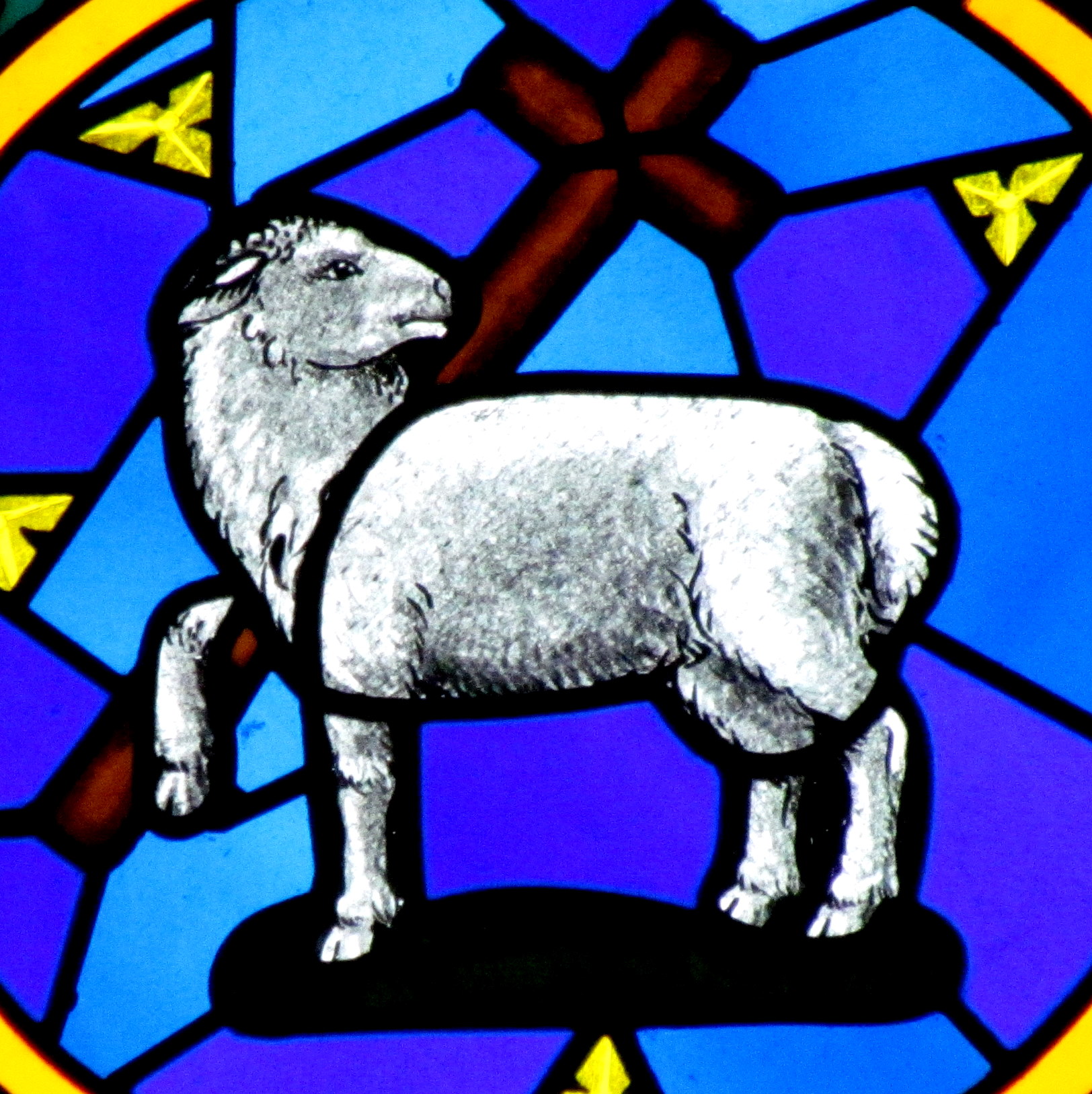
There is nothing grudging about God’s forgiveness. He doesn’t need to be cajoled or placated into forgiving. He initiates our forgiveness and relentlessly pursues us with it. In prayer, King Hezekiah exults in amazement, “You have cast all my sins behind your back.” (Isaiah 38:17) The prophet Micah assures us, “He will again have compassion on us; he will tread our iniquities underfoot. He will cast all our sins into the depths of the sea.” (Micah 7:19) God himself declares, “I have blotted out your transgressions like a cloud and your sins like the morning mist; return to me, for I have redeemed you.” (Isaiah 44:22)
God takes the initiative. He pursues us in our sin. He aggressively wipes out our guilt and sinfulness. He reconciles us to himself. And reconciled to God is just where we were meant to be from the beginning. This is forgiveness of sins. This is our God.
Questions and Activities for Adults and Children:
How might the fact of God’s forgiveness of your sins strengthen you for a life of faithfulness going forward? Read Luke 7:36-50 and reflect on what Jesus says.
How might the fact of God’s forgiveness of your sins help you to forgive others when they sin against you? Read Matthew 18:21-35 and reflect on what Jesus says.
Who do you need to forgive this week?
What are some ways that God has been kind and generous to you? Spend some time each day this week thanking him for those things.
Closing Prayer:
Lord, your forgiveness is hard for me to comprehend. Draw close to me. Lift me up in your forgiveness and transform me. Amen.
Photos by GAC from North Presbyterian Church in Elmira, NY

 Gary Chorpenning's Notebooks